A cricket scorecard contains much more information than runs and wickets. cricketteamscore.com provides a relevant starting point for understanding cricket scores, match statistics, and team performance. Whether someone follows international matches, domestic tournaments, or shorter competitions, reading a scorecard can make every match easier to understand. It shows how individual players contribute and how the entire team performs. A quick glance may reveal the leading batter, but several other details deserve attention. Overs, extras, partnerships, fall of wickets, and bowling figures all help explain the result. Sometimes a team scores fewer runs but still wins comfortably because of its bowling performance. Other matches become close because of small differences in extras or scoring rates. Learning these details makes cricket statistics more useful for regular followers and new viewers.
Understanding The Scorecard Layout
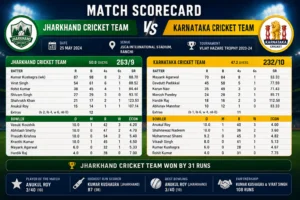
A cricket scorecard normally presents information about both teams in a structured format. The batting section usually appears first for the team currently being examined. It lists players, runs scored, balls faced, boundaries, and dismissal details. Bowling figures appear separately and explain how the opposition attempted to restrict scoring. The scorecard also displays the total runs, wickets lost, and overs completed. Depending on the platform, additional details may include extras, partnerships, and fall of wickets. Some scorecards show the match result near the top, while others place it below the innings information. Readers should first identify the teams and their innings before studying individual statistics. This avoids confusion when comparing scores from different stages. A complete scorecard provides a useful match summary without requiring viewers to watch every delivery. However, understanding the labels is necessary before interpreting the numbers correctly.
Reading Batting Performance Figures
The batting section explains how each player contributed during an innings. A batter’s runs column shows the number of runs credited individually. The balls faced column indicates how many deliveries the batter received. Four and six columns show boundaries scored during the innings. These figures help readers understand how quickly someone accumulated runs. For example, scoring fifty runs from forty balls indicates a different approach than scoring fifty from twenty-five balls. The strike rate expresses scoring speed through a standard calculation. It is calculated by dividing runs scored by balls faced, then multiplying the result by one hundred. A higher strike rate often indicates faster scoring, although match conditions matter considerably. Batting positions also provide useful context because opening batters and lower-order players have different responsibilities. Readers should examine the complete innings rather than judging performance through runs alone. A player contributing fewer runs may still provide an important partnership.
Understanding Dismissal Information
Dismissal details explain how a batter lost their wicket during an innings. Common methods include being bowled, caught, run out, stumped, and leg before wicket. A bowled dismissal happens when the delivery hits the stumps and removes the bails. A caught dismissal occurs when a fielder catches the ball before touching the ground. Run outs usually involve a batter failing to reach safety before the fielding side breaks the stumps. Stumping generally happens when the wicketkeeper removes the bails while the batter leaves their crease. Leg before wicket decisions involve several conditions under cricket’s playing laws. Scorecards may display abbreviated descriptions instead of complete dismissal explanations. Readers should become familiar with these abbreviations because they appear regularly. Not out means the batter remained unbeaten when the innings ended. This may happen because the team completed its innings or the match finished before that batter was dismissed. Dismissal information helps explain how the innings developed.
Making Sense Of Extras
Extras are runs added to the batting team’s total without being credited directly to an individual batter. They can include wides, no-balls, byes, and leg-byes. Penalty runs may also appear under particular circumstances. A wide is generally called when the delivery is outside the permitted reach of the batter. A no-ball involves an infringement under the applicable delivery rules. Byes are credited when the ball passes the batter without touching the bat or body. Leg-byes occur when the ball makes contact with the batter’s body under permitted conditions. These categories matter because they affect the total score differently. A batter does not receive personal runs for byes or leg-byes. However, certain extras can affect the bowler’s figures and the team’s total. A high extras total may indicate poor bowling control or unusual match circumstances. Readers should compare extras with the number of wickets and total runs. Even a few additional runs can influence a close cricket match.
Interpreting Bowling Figures Correctly
Bowling statistics show how effectively each bowler performed during an innings. Common columns include overs, maidens, runs conceded, and wickets taken. Overs describe the number of completed or partial overs delivered. Maidens represent overs in which the bowler conceded no runs under the scoring rules. Runs conceded show how many runs were charged against that bowler. Wickets taken indicate the dismissals credited to the bowling performance. The economy rate measures average runs conceded per over. A lower economy rate generally indicates tighter bowling, although conditions and match format matter. A bowler taking three wickets may appear impressive, but their overall performance needs additional context. Someone conceding many runs while taking wickets may have produced mixed results. Readers should examine economy, wickets, and overs together. They should also remember that some dismissals are not credited to bowlers. Run outs, for example, do not count as bowler wickets. Understanding these details makes bowling comparisons more accurate.
Knowing Partnerships And Contributions
Partnership statistics describe the runs added between two batters before a wicket falls. They help explain how a team builds its innings through different combinations. A strong opening partnership can provide a stable foundation for later batters. Middle-order partnerships may help recover after early wickets. Lower-order partnerships can also add important runs during difficult situations. Scorecards sometimes display the number of balls faced during each partnership. This information helps readers understand whether the pair scored quickly or built their total gradually. A partnership of sixty runs from forty balls may provide useful momentum. Another partnership with the same total could involve considerably more time. Both contributions matter, but their impact depends on the match situation. Partnerships also reveal how individual batters worked together. One player may score aggressively while the other maintains a steady approach. Looking at partnerships provides more context than examining separate batting totals. It helps explain why some innings become competitive despite losing wickets regularly.
Following Fall Of Wickets
Fall of wickets information records the team total when each batter gets dismissed. It normally includes the score and the over in which the wicket fell. This sequence helps readers understand how an innings developed over time. A team losing three wickets for thirty runs faces different conditions from one losing three wickets after reaching one hundred and twenty. The number of runs scored between dismissals also reveals the innings pattern. Early wickets can place pressure on the middle order. A later collapse may prevent a team from reaching a stronger total. Some scorecards also show the dismissed batter alongside the relevant team score. Readers can use this information to identify important moments. It may reveal whether one partnership rescued the innings or whether wickets fell regularly. Comparing the fall of wickets with the scoring rate gives additional context. These details are especially useful when reviewing a match after it has finished. They help reconstruct the innings without needing a complete ball-by-ball record.
Comparing Different Match Formats
Cricket scorecards should always be interpreted according to the match format. Test cricket, One Day Internationals, and T20 matches have different playing conditions. Test matches allow teams to bat for much longer periods across multiple innings. One Day Internationals normally involve a limited number of overs for each side. T20 cricket places greater emphasis on scoring quickly within shorter innings. Therefore, a particular run total may have different significance across formats. A score of one hundred and fifty could be competitive in certain T20 conditions. The same total would usually be insufficient in many One Day International situations. Test match scorecards also include follow-on information and innings totals. Some matches may end through declarations or other specific circumstances. Readers should check the format before comparing batting averages or scoring rates. A fair comparison requires similar playing conditions. Statistics become misleading when different formats are treated as identical competitions.
Understanding Match Results
The result section explains which team won and how the match ended. Limited-overs matches may be decided by runs or wickets. A team winning by twenty runs defended its total successfully. A team winning by five wickets reached the target while losing five wickets. Test matches may finish through an innings victory, runs, wickets, or a draw. Some matches also end in a tie when both teams finish with equal scores under the relevant conditions. A no-result situation can occur when a match cannot produce an official result. Weather interruptions are one possible reason for this outcome. Scorecards may also display the player of the match and other awards. These details help summarise the important outcome. However, the margin of victory does not always explain how closely contested the match was. A large result may follow one exceptional innings or a dramatic collapse. Readers should examine the complete scorecard before judging team performance.
Using Scorecards During Live Matches
Live scorecards help viewers follow matches when watching television is not possible. They provide updates about runs, wickets, overs, and current batting partnerships. Many platforms also show the current run rate and required run rate. Current run rate describes the average scoring speed during the innings. Required run rate indicates the scoring speed needed to reach the target. These figures become particularly important during run chases. A team may have enough wickets remaining but still need faster scoring. Another side might be behind the required rate despite losing very few wickets. Live scorecards can also display the current bowler and batter. Recent delivery information helps readers understand how the latest over developed. However, live information can occasionally experience delays. Different platforms may refresh their data at slightly different times. Readers should check the match status and latest available update before drawing conclusions. A live scorecard is useful, but it should not be mistaken for an official final result.
Checking Scorecard Accuracy
Accurate score information matters when comparing players, teams, and match results. Readers should use reliable cricket sources whenever statistics are important. Official tournament websites and recognised cricket organisations can provide verified information. Some independent platforms also offer detailed scorecards and statistical summaries. Differences may appear when early live figures are corrected later. A scoring error can affect individual runs, extras, bowling figures, or partnerships. Match officials and scoring systems may update information after reviewing an incident. Readers should therefore distinguish between provisional live information and confirmed final statistics. It is also important to check the match date and competition name. Similar team names can appear across different tournaments. A scorecard without clear match details may create unnecessary confusion. When using statistics in articles or reports, verify the figures before publishing them. Reliable information makes cricket discussions more useful and prevents incorrect comparisons.
Conclusion
Cricket scorecards provide a detailed record of individual and team performances. Batting figures, bowling statistics, extras, partnerships, and dismissal details explain how innings develop. Match formats and playing conditions also influence how numbers should be interpreted. Readers who understand these details can follow cricket more confidently. Regularly reviewing complete scorecards helps identify important contributions beyond the leading run scorer. Explore cricket match statistics, compare team performances, and use reliable scorecard information to improve your understanding of the game.
Read also :-