
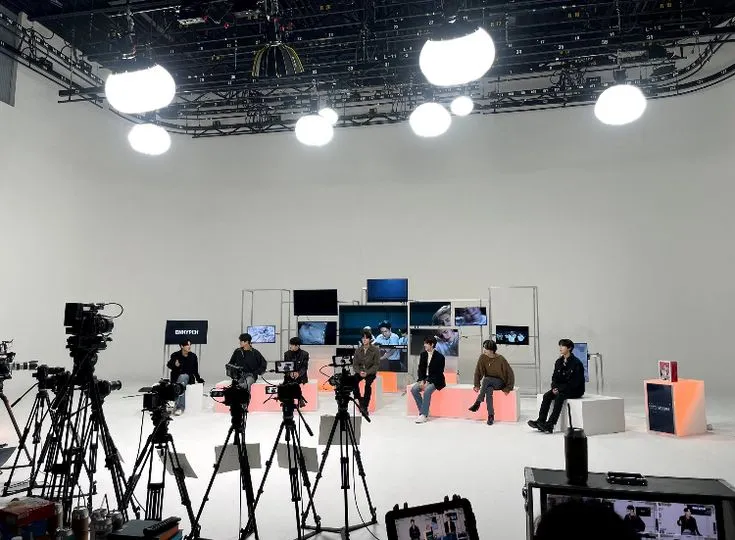
An overseas shoot can look affordable on paper until a string of small expenses changes the final bill. Flights, cameras, and crew rates are obvious costs, but extra transport, delays, location requirements, and post-production revisions are easier to overlook. For teams planning to film in South Korea, the best safeguard is a budget built around how a shoot will actually operate, not just a list of equipment. Understanding where unexpected costs originate makes it easier to protect both the schedule and the creative result.
Start With the Story’s Essential Requirements
A realistic budget begins with a conversation about what must appear in the finished film. Producers should separate essential interviews, locations, and scenes from optional ideas. A second camera angle might be helpful, for example, but an additional interview with a key witness may be far more important.
This distinction gives the team choices when costs rise. Instead of cutting randomly, the producer can protect the scenes that carry the story. It also makes estimates easier to compare because each supplier receives a clearer description of the work.
Treat Movement Between Locations as Working Time
A route that looks short on a map may involve parking restrictions, equipment loading, access checks, and long walks with heavy cases. These tasks consume crew hours even when no filming takes place. Scheduling several distant locations on the same day can create overtime or force important shots to be rushed.
Working with a pre-production agency in Seoul can support location scouting, scheduling, and production logistics. Before finalizing the itinerary, ask how long each move will take with the actual crew and equipment. Include setup and packing time rather than counting only driving minutes.
Check What Every Quote Includes
Two quotations may list similar camera packages but cover different services. One might include an operator, batteries, and basic accessories, while another prices those separately. Lighting, sound recording, data storage, and specialist crew can also change the total.
Request an itemized scope and clarify working hours, overtime rules, cancellation terms, delivery charges, and equipment replacement responsibilities. Do not assume every item is included because it appears in a supplier’s promotional description. Written details prevent disagreements later.
Understand Access and Permission Costs
Filming access varies according to the site, the activity, and the people or property involved. A public-looking location may have management rules, while a private venue may charge for access or require specific arrangements. Aerial filming can introduce additional restrictions that must be checked for the proposed location.
A Full Service Production Company in Korea can help coordinate relevant production logistics, including location and permit arrangements. However, requirements should be verified for the actual shoot. Budget for potential application costs, staff support, and alternative locations where appropriate; do not assume permission is automatic.
Account for the Edit Before Cameras Roll
Postproduction is not a single line item that can safely be guessed. The number of interviews, filming formats, language versions, subtitles, graphics, and feedback rounds all influence the work involved. An interview-heavy documentary may require transcription and translation before an editor can even begin organizing the story.
Agree on expected deliverables early. Is the client requesting one long film, three short promotional clips, or multiple aspect ratios? Who approves the edit, and how many review rounds are included? Answers to these questions help prevent an inexpensive-looking filming quote from becoming a costly final project.
Keep a Contingency and a Change Log
Even a well-planned shoot can be affected by weather, a canceled interview, or a delayed location opening. A contingency gives producers room to respond without immediately sacrificing an essential scene. Its size should reflect the project’s risks rather than an arbitrary promise that every problem will be covered.
Track changes as they happen. Record what was requested, the expected cost, and who approved it before the team commits to additional work. A brief daily budget review can reveal problems while there is still time to adjust the next day’s plan.
Conclusion
The best production budget is a working guide, not simply a total at the bottom of a spreadsheet. When teams define their priorities, price travel realistically, clarify supplier quotations, verify access requirements, and plan postproduction from the beginning, they reduce avoidable surprises. Some uncertainty is unavoidable on an international shoot, but careful preparation makes decisions more manageable. The aim is to spend where the story needs support rather than lose resources to preventable confusion.


