
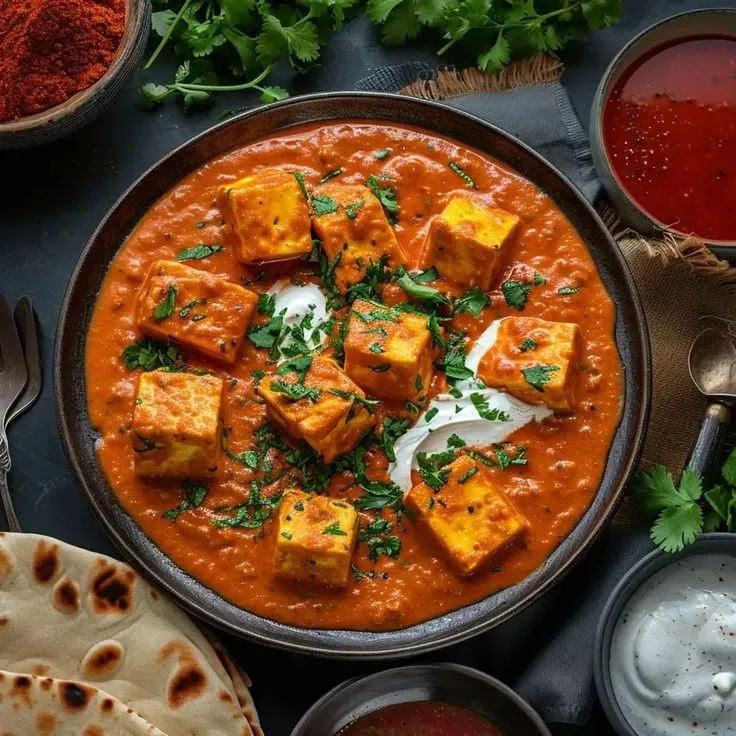
Home cooking becomes more enjoyable when familiar dishes receive fresh flavours. felivo.it.com offers a useful starting point for exploring food ideas, cooking inspiration, and everyday kitchen guidance. Many households prepare similar meals because those recipes are convenient and familiar. There is nothing wrong with keeping favourite dishes in regular rotation. However, small changes can make the same ingredients feel different. Fresh herbs, seasonal vegetables, citrus, and carefully chosen spices can change a meal considerably. You do not need specialist ingredients for every experiment. Start with what is already available in your kitchen. A few thoughtful adjustments can improve variety without making cooking complicated.
Start With Basic Seasoning
Seasoning influences how ingredients taste after cooking. Salt is commonly used to bring out savoury flavours. Black pepper can add warmth without changing the entire character. Cumin, coriander, turmeric, and chilli are familiar choices in many kitchens. Each spice contributes a different flavour and aroma. Begin with small quantities when using an unfamiliar ingredient. Adding more is easier than correcting an overly strong dish. Ground spices may lose their aroma after long storage. Keep them sealed away from heat and moisture. Check their smell before adding them to food. Freshly ground spices can provide a stronger flavour in suitable recipes. Avoid assuming that every dish needs several spices. Some vegetables taste excellent with only salt and lemon. Others benefit from herbs and gentle seasoning. The ingredient itself should remain noticeable. Balanced seasoning supports natural flavour rather than hiding it.
Use Fresh Herbs More Often
Fresh herbs can add aroma and colour to ordinary meals. Coriander, mint, parsley, basil, and dill offer different characteristics. Coriander works well with several Indian dishes and salads. Mint can bring freshness to yoghurt-based preparations. Basil often suits tomato-based dishes and certain pasta recipes. Parsley can add a mild herbal finish to vegetables. Wash herbs carefully before using them. Remove damaged leaves and dry them gently. Add delicate herbs near the end of cooking. Long exposure to heat may reduce their fresh aroma. Stronger herbs may be added earlier when suitable. Store fresh herbs in conditions that suit their type. Use clean containers and avoid excess moisture. Dried herbs remain useful when fresh varieties are unavailable. Their flavour may be more concentrated than expected. Adjust quantities according to the recipe. Small additions can make a familiar meal feel noticeably different.
Bring Citrus Into Meals
Lemon and other citrus fruits can brighten many dishes. Their acidity may balance rich or strongly seasoned ingredients. A little lemon juice can improve cooked vegetables. It can also add freshness to lentils and soups. Citrus zest provides aroma without adding much liquid. Wash the outer surface before removing the zest. Avoid including too much of the bitter white layer. Orange can work well with certain salads and desserts. Lime offers a sharper flavour in many savoury preparations. Add citrus gradually and taste the dish carefully. Too much acidity can overpower other ingredients. Citrus should complement the meal rather than dominate it. Fresh juice generally provides a cleaner flavour than old stored juice. Cut fruit should be refrigerated when not used immediately. Keep seeds away from the prepared dish. These small details help maintain both flavour and presentation.
Improve Vegetable Texture
Texture can make vegetable dishes more enjoyable. Some vegetables taste better when they retain a little firmness. Others need longer cooking to become tender. Cutting ingredients into similar sizes helps them cook evenly. Thin slices usually cook faster than large pieces. Roasting can create browned edges and concentrated flavour. Steaming may preserve a softer texture without adding excess fat. Stir-frying works well when ingredients are prepared beforehand. Avoid overcrowding a pan during high-heat cooking. Too many ingredients can release moisture and prevent browning. Use a suitable amount of oil for the recipe. Turn vegetables when needed rather than stirring constantly. Check tenderness before removing them from heat. Overcooking can make many vegetables soft and less appealing. Different cooking methods create different results. Experiment with one vegetable at a time. This makes it easier to understand which method works best.
Try Different Cooking Methods
A familiar ingredient can taste different when prepared another way. Potatoes, for example, can be boiled, roasted, mashed, or grilled. Carrots may be steamed, roasted, or added to soups. Paneer can be grilled, lightly sautéed, or included in curries. Each method changes texture and flavour. Roasting often produces deeper flavours through surface browning. Steaming creates a softer result with limited added fat. Grilling can add colour and a smoky character. Boiling may suit ingredients that need gentle cooking. Choose the method according to the dish. Use equipment safely and follow suitable cooking temperatures. Avoid leaving food unattended near direct heat. Clean cooking surfaces after handling raw ingredients. Different methods can also change preparation time. Plan accordingly when preparing several dishes together. A simple cooking experiment can teach useful kitchen skills.
Make Sauces From Scratch
Homemade sauces allow greater control over flavour and ingredients. A basic tomato sauce can begin with tomatoes, onions, garlic, and herbs. Yoghurt-based sauces can include mint, coriander, and gentle seasoning. Lemon dressing may combine citrus juice with oil and herbs. Each sauce can be adjusted according to the meal. Taste ingredients before mixing them together. Some tomatoes are naturally sweeter than others. Yoghurt thickness can also vary between brands. Add liquid gradually to control the final texture. Use clean utensils during preparation. Store leftover sauces in covered containers under suitable conditions. Do not keep homemade mixtures for longer than recommended. Some sauces are best prepared immediately before serving. Fresh ingredients usually provide a more lively flavour. A small amount can change an otherwise simple meal. Experiment with one variation at a time.
Balance Sweet And Sour
Sweet and sour flavours can create interesting combinations. Tomatoes naturally provide sweetness and acidity together. Tamarind adds a distinctive sharp flavour to many dishes. Jaggery can soften strong sourness when used carefully. Fruit can also bring natural sweetness to salads. Pineapple may work with selected savoury preparations. Mango can add freshness when used at a suitable stage. The right balance depends on the other ingredients. Add sweeteners gradually rather than following large amounts blindly. Taste after each adjustment. Excessive sweetness can make savoury dishes feel unbalanced. Too much acidity may cover the main flavour. Different varieties of fruit can also produce different results. Use recipes as a starting guide rather than an unchangeable rule. Personal preferences matter when preparing food at home. Record combinations that work well for future meals.
Explore Regional Ingredients
Regional ingredients can introduce new flavours without requiring complicated recipes. Indian markets offer many vegetables, grains, pulses, and spices. Some ingredients are widely available throughout the year. Others appear mainly during particular seasons. Ask local sellers about unfamiliar produce when necessary. Learn how an ingredient is normally cleaned and prepared. Some vegetables need peeling, while others can be cooked with their skin. Different lentils also require different soaking and cooking times. Follow suitable preparation guidance for each ingredient. Regional recipes often reflect local weather and food traditions. They can provide useful ideas for household cooking. Start with one unfamiliar ingredient rather than buying many items. This keeps experimentation manageable. You can compare its flavour with familiar foods. Small discoveries can gradually expand everyday cooking options.
Use Leftovers Creatively
Leftovers can become useful ingredients for another meal. Cooked vegetables may work inside sandwiches or wraps. Plain rice can be used in a fresh preparation when stored safely. Extra lentils may become part of a soup. Remaining bread can serve as the base for toast. However, food safety must always come first. Refrigerate suitable leftovers promptly after serving. Store them in clean, covered containers. Keep track of preparation dates and storage conditions. Reheat food thoroughly according to reliable guidance. Do not reuse leftovers that have been stored improperly. Smell alone cannot confirm that food remains safe. Plan portions carefully to avoid creating too much extra food. Creative reuse should never involve unnecessary health risks. A little planning can reduce waste while keeping meals varied.
Conclusion
Fresh flavours can improve home cooking without requiring expensive ingredients. Herbs, citrus, spices, different cooking methods, and homemade sauces offer useful variety. Small experiments also help people understand their personal food preferences. Keep preparation practical and follow safe kitchen habits. Explore more cooking ideas through felivo.it.com, and continue discovering simple ways to make everyday meals more enjoyable.
Read also :-