
Introduction
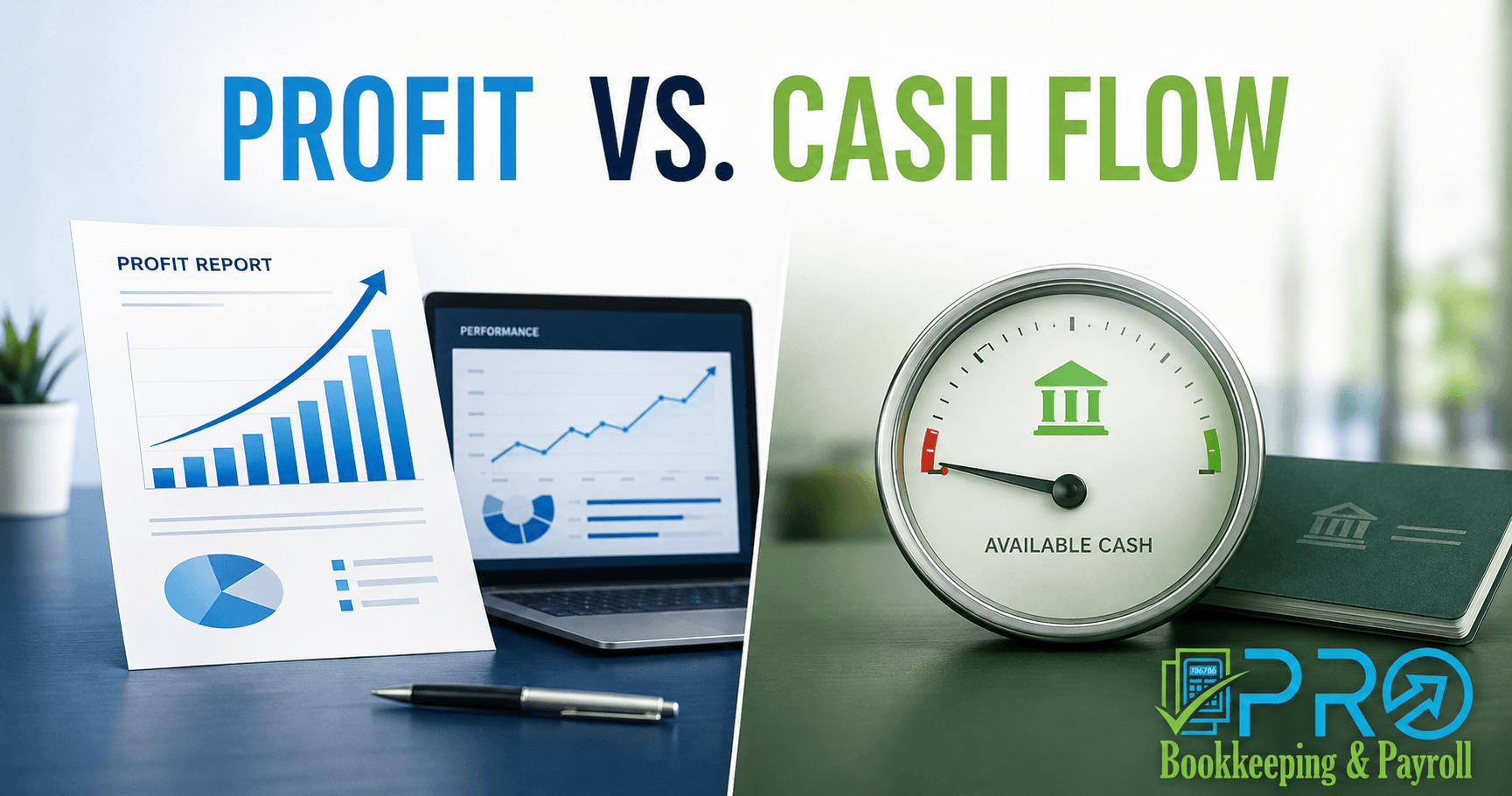
Profit and cash flow are two important measures of a business’s financial health, but they do not mean the same thing. A business can report strong profits and still struggle to pay suppliers, employees, rent, and other operating expenses. This situation often occurs when money is tied up in unpaid invoices, inventory, or other commitments.
Understanding the difference between profit and cash flow helps business owners make informed financial decisions and maintain operational stability.
What Is Profit?
Profit is the amount remaining after a business deducts its expenses from its revenue over a specific period. It indicates whether the business is generating financial returns from its activities.
For example, if a company earns £50,000 in revenue and incurs £35,000 in expenses, its profit is £15,000. However, revenue does not always mean that cash has been received. Under accrual accounting, businesses generally recognize revenue when it is earned, even if customers have not yet paid their invoices. Similarly, some expenses are recorded before the related cash payment is made.
As a result, reported profit does not necessarily reflect the amount of money available in the business’s bank account.
What Is Cash Flow?
Cash flow refers to the movement of money into and out of a business during a specific period. Cash inflows may include customer payments, loan proceeds, and other receipts, while outflows include supplier payments, salaries, rent, and loan repayments.
Positive cash flow means more cash entered the business than left it during the period. Negative cash flow means cash outflows exceeded inflows. Monitoring cash flow helps business owners determine whether they have enough available funds to meet immediate financial obligations.
Why Can a Profitable Business Run Short of Cash?
Several factors can create a gap between reported profit and available cash.
1. Late Customer Payments:
A business may record sales as revenue but still wait weeks or months to receive payment. This delays cash inflows and can make it difficult to cover operating expenses.
2. Excessive Inventory:
Purchasing too much stock ties up cash in products that may take time to sell. Businesses must pay suppliers even when inventory remains unsold.
3. Large Upfront Expenses:
Equipment purchases, warehouse deposits, and expansion costs can consume substantial amounts of cash before the business generates additional revenue.
4. Loan Repayments:
Loan principal repayments reduce available cash but are not generally recorded as expenses on the profit and loss statement. Interest is treated separately as an expense.
5. Seasonal Sales Fluctuations:
Businesses with seasonal demand may experience periods when expenses continue, but customer receipts decline.
How to Improve Cash Flow Without Sacrificing Profitability
Businesses can take practical steps to manage cash more effectively.
1. Collect Payments Promptly
Issue invoices promptly, establish clear payment terms, and follow up on overdue accounts. Offering convenient payment methods can also reduce delays.
2. Prepare Cash Flow Forecasts
Estimate future cash receipts and payments to identify potential shortfalls before they occur. Update forecasts regularly as business conditions change.
3. Manage Inventory Carefully
Use sales data and demand forecasts to avoid unnecessary stock purchases. Focus on maintaining sufficient inventory without tying up excessive working capital.
Conclusion
Profit measures financial performance, while cash flow shows how money moves through a business. Both are essential, but neither should be used alone to assess financial health. By collecting payments promptly, controlling inventory, forecasting cash requirements, and reviewing financial reports regularly, businesses can reduce cash shortages and build a more stable foundation for long-term growth.