
Cricket matches produce a large amount of information during every innings. cricketmatchteam.com can help readers follow cricket details while making scorecards easier to understand. A scorecard records runs, wickets, overs, batting contributions, bowling performances, extras, and other useful match statistics. It does not replace watching the match, but it gives a clear record of what happened. Readers can use it to check individual performances or understand how a team reached its final total. Even people who already know cricket can find useful information by looking beyond the headline score. The details often explain parts of the match that a short result cannot show.
Knowing The Basic Layout
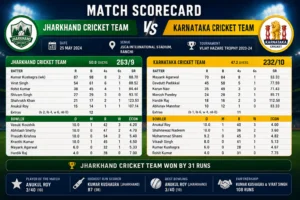
Most cricket scorecards separate batting and bowling information into clearly defined sections. The batting section generally lists players and their scoring details, while the bowling section records figures for each bowler. Team totals and extras usually appear around these main sections. The exact layout can vary between websites, applications, and competition formats. However, the main information remains similar enough for readers to recognize important columns. Learning the basic layout removes much of the confusion that can happen when someone first sees a detailed scorecard. After that, individual statistics become easier to connect with the overall match.
Reading Batting Numbers
Batting numbers show how each player contributed to the innings. Runs are the most obvious figure, but balls faced provide important additional information. Boundary counts can show how some of those runs were scored, while strike rate gives an indication of scoring speed. A player making forty runs from twenty balls has produced a different type of innings from someone making forty after sixty deliveries. Neither performance can be judged properly without considering the match situation. The scorecard provides the basic evidence, while the circumstances explain why a player may have chosen one approach over another.
Understanding Dismissal Details
The dismissal section tells readers how a batter’s innings ended. Common methods include caught, bowled, leg before wicket, run out, stumped, and hit wicket. These descriptions can reveal useful information about the wicket. A caught dismissal may involve different fielding positions and bowling situations, while a run out can result from a mistake between batters. Some scorecards include the bowler responsible for a dismissal and the fielder who completed a catch. Reading these details can help explain how wickets were created during an innings. It also shows contributions that may not appear in the batting figures.
Following Bowling Figures
Bowling statistics usually include overs, maidens, runs conceded, and wickets. These figures show how much work each bowler completed and what happened during those overs. Economy rate can help readers compare control between bowlers who delivered similar workloads. Wickets provide information about dismissals, but they do not always describe the entire bowling contribution. A bowler may create pressure through economical spells without taking several wickets. Another may attack aggressively and concede more runs while taking important dismissals. Match conditions and tactical roles can influence these differences significantly.
Checking The Extras
Extras are often overlooked because they are not attached to individual batting scores. However, they still contribute directly to the team’s final total. Wides, no balls, byes, and leg byes can appear as separate categories in detailed scorecards. Their combined number can become important when two teams finish with similar scores. A large number of wides or no balls may suggest problems with bowling control, while byes and leg byes involve different circumstances. Checking extras gives readers a more complete explanation of where the team’s runs came from.
Understanding Run Rates
Run rate provides a simple way to understand how quickly a team scored. It is particularly important in limited overs cricket because each side has a defined number of deliveries available. During a chase, required run rate can show how quickly the batting team needs to score to reach the target. This number changes whenever runs are scored or wickets fall. A team may have a comfortable required rate but few wickets remaining, creating a different situation from a team with many wickets available. Scorecards can show these changing conditions clearly.
Watching Wickets Fall
The timing of wickets can influence how an innings develops. Early wickets may force a team to rebuild instead of attacking immediately. Middle order wickets can change plans when the required rate is increasing. Late wickets can limit the number of available scoring options. A scorecard with fall of wickets information can show approximately when important changes occurred. Readers can compare those moments with partnerships and scoring rates to understand the innings structure. Wickets are therefore more than simple numbers because their timing can affect later decisions.
Using Scorecards After Matches
Scorecards remain useful even after a match has finished because they preserve detailed performance information. Readers can return to them when comparing players, reviewing important innings, or checking how a target was achieved. They can also help people understand why a match looked closer than the final margin suggests. A team may win comfortably on paper while losing several wickets during a chase. Another side may lose but produce strong individual performances. The scorecard keeps these details available after live coverage has ended.
Comparing Different Formats
Cricket statistics need some adjustment when comparing different formats. T20 matches encourage faster scoring, while longer formats allow different approaches to batting and bowling. A strike rate that appears ordinary in one format may be useful in another. Bowling workloads also vary because the number of overs available to individual bowlers changes. Test cricket can include much larger innings totals and longer periods of defensive play. Readers should therefore avoid direct comparisons without considering the format first. Context prevents statistics from being interpreted incorrectly.
Conclusion
Cricket scorecards provide a practical record of what happened during both innings and individual player performances. Batting numbers, dismissals, bowling figures, extras, run rates, wickets, and partnerships each explain different parts of the match. Readers become more comfortable with these details when they check scorecards regularly across different formats. The final result remains important, but the supporting numbers often explain how that result was produced. cricketmatchteam.com can help readers explore cricket scorecards, player statistics, match details, and useful information from different games.
Read also :-
australian men’s cricket team vs pakistan national cricket team match scorecard