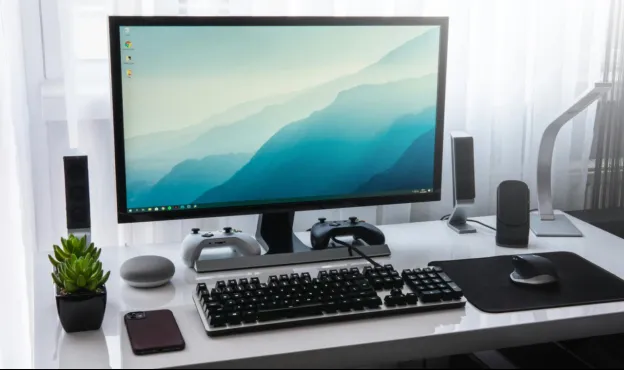
A company can accumulate dozens or even hundreds of desktop computers over the years. Office upgrades, system replacements, branch closures, and technology refreshes can leave businesses with equipment they no longer need. Instead of allowing old machines to occupy valuable storage space, businesses can explore a bulk desktop purchase arrangement that helps them clear equipment while recovering some of its remaining value. In Dubai, this approach can be especially useful for companies that want a practical way to manage surplus desktops without adding unnecessary disposal costs. A structured approach can also make the collection, assessment, and handling of these systems easier for businesses. Older desktops may still hold value through resale, reusable components, or responsible material recovery. Choosing an appropriate buyer allows companies to manage surplus equipment while keeping the disposal process organized and efficient.
Desktop Surplus Builds
Desktop computers rarely become useless overnight. A system may no longer meet the requirements of a modern workplace but can still contain processors, memory, storage drives, motherboards, power supplies, cases, and other components with resale or recycling value.
For a business, the challenge is often volume. Selling one computer is relatively simple, but handling a large quantity requires time, space, transport, inspection, and coordination. This is where a professional buyer can simplify the process. Companies with old office computers can arrange an assessment of their available equipment and determine whether the systems have resale potential, recycling value, or a combination of both.
Desktop Value Factors
Not every desktop carries the same value. Age, brand, processor generation, RAM capacity, storage type, physical condition, and overall functionality can all affect its resale potential.
A working desktop with modern specifications may have stronger secondary-market value than an older machine with outdated components. However, even systems that are no longer suitable for direct reuse may contain materials and parts that have recycling value. Accessories can also influence the assessment. Monitors, keyboards, mice, cables, and other related equipment may be handled alongside desktop systems depending on the buyer’s requirements.
Secure Data Protection
Desktop disposal involves more than physical equipment. Many office computers contain business documents, customer information, employee records, passwords, financial files, and other confidential data.
Deleting files manually is not always enough to make information unrecoverable. Businesses should therefore consider secure data wiping or physical destruction methods when retiring computers. A reliable bulk desktop purchase arrangement should take data protection seriously. The process should give the business confidence that storage devices are handled appropriately before equipment moves toward resale, reuse, or recycling.
Pickup Makes Sense
Moving a large number of desktop computers is another practical concern. A business may have equipment spread across offices, storage rooms, warehouses, or multiple departments. Professional collection can remove much of the logistical burden. Instead of arranging separate transportation for every batch, companies can coordinate the collection of their surplus equipment through one service provider.
This becomes particularly useful during office relocation, technology upgrades, company closures, or large-scale hardware replacement. Quick removal can also free storage areas that would otherwise remain occupied by unused computers. For a bulk normal desktop buyer in Dubai, the ability to manage collection efficiently can be an important part of the overall service.
Reuse Extends Value
An old desktop does not necessarily have to become waste immediately. Some systems may still perform well enough for basic office tasks, educational use, secondary workstations, or other less demanding purposes. Remarketing suitable equipment can extend the useful life of hardware. This approach can reduce unnecessary waste while giving functioning systems another opportunity to provide value.
Businesses can therefore benefit from a process that distinguishes between equipment suitable for reuse and equipment better suited for material recovery. This distinction is important because responsible disposal is not simply about removing unwanted computers. It is also about making sensible use of the remaining value within those machines.
Recycling Supports Sustainability
Electronic waste contains a mixture of valuable materials and components that should be handled responsibly. Improper disposal can contribute to environmental problems and unnecessary resource loss. Professional recycling helps direct obsolete hardware toward appropriate processing. Components can be separated, recovered, reused, or treated according to their condition and material value.
For businesses in Dubai, responsible e-waste management can also support wider sustainability goals. Companies that replace large quantities of technology have an opportunity to make their disposal practices more environmentally conscious. Choosing a structured bulk desktop purchase route can therefore combine financial recovery with more responsible equipment management.
A Cleaner Exit Route
The disposal of old desktops can become surprisingly complicated when businesses try to manage everything themselves. Storage, transportation, data security, valuation, resale, and recycling all require attention.
A structured process brings these elements together. The business identifies its surplus equipment, arranges an evaluation, confirms the terms, and prepares the systems for collection. From there, usable equipment can move toward remarketing while unsuitable units can enter appropriate recycling channels. This approach is particularly useful for organizations that need to clear large quantities of hardware within a defined period. It reduces the chance that unwanted computers will remain forgotten in storage for months or years.
Conclusion
Bulk desktop disposal in Dubai can be a practical business decision when it combines value assessment, secure data handling, convenient collection, reuse, and responsible recycling. Whether a company is replacing a small office fleet or clearing a large inventory, choosing the right bulk normal desktop buyer in Dubai option can make the process more efficient and transparent. Businesses exploring these options can consider E-Waste IT Recycling as one possible partner for managing surplus desktop equipment through a structured disposal and recovery process. A well-managed disposal service can reduce storage pressure while helping businesses recover value from unused technology. It can also support responsible handling of equipment that has reached the end of its working life. With the right approach, companies can turn surplus desktops into a more organized and sustainable asset management opportunity.