
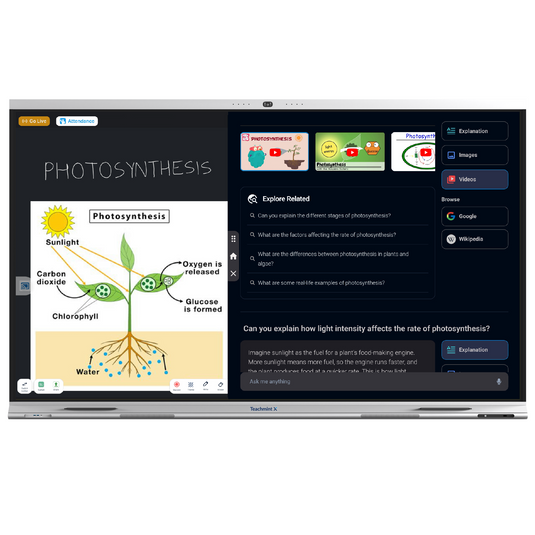
The way we teach is evolving faster than ever. From chalkboards to whiteboards, and now to digital boards, classrooms are undergoing a revolution that makes learning more engaging and effective. Among these innovations, the digital board for teaching has emerged as a centerpiece of modern education, enabling teachers to deliver interactive, multimedia-rich lessons that capture students’ attention.
But what really makes a digital board the best choice for classrooms? Is it the technology, the ease of use, or the long-term value it offers schools? To answer this, let’s explore the features that truly matter. If you’re looking for an option that blends innovation with affordability, you can start by checking this digital board for teaching designed specifically for classrooms.
1. Interactive Touchscreen
A digital board should feel as natural as writing on a traditional board but smarter. The interactive touchscreen feature allows teachers and students to write, draw, annotate, and interact with lessons using either their fingers or a stylus. Multi-touch support also means multiple students can collaborate on the board at once, making it a tool for collaborative technology in the classroom.
2. High-Resolution Display
Clarity is critical in education. A board with poor resolution can make text and visuals difficult to read, especially for students sitting at the back. The best boards feature ultra-HD resolution and anti-glare displays that ensure crystal-clear visuals. This improves visibility, reduces eye strain, and makes learning more comfortable for everyone.
3. Seamless Content Integration
Teachers often switch between presentations, PDFs, videos, and live web content. A powerful digital board allows them to bring all these formats together on a single screen. Instead of juggling laptops and projectors, teachers can display everything directly from the board. This feature transforms lessons into immersive experiences that students remember long after class ends.
4. Connectivity Options
The best digital boards are built for flexibility. They should support:
- Wi-Fi & Bluetooth for wireless connectivity.
- HDMI & USB ports for direct device connections.
- Cloud storage integration to save and share lessons.
With these options, teachers can connect laptops, tablets, or even smartphones instantly. This ensures smoother teaching and more flexibility during lessons.
5. Preloaded Educational Software
A great digital board is not just hardware – it’s a complete teaching ecosystem. Many boards come with preloaded apps for note-taking, drawing, quizzes, and lesson planning. Some even integrate with learning management systems. This reduces preparation time and allows teachers to focus more on delivering impactful lessons instead of managing tech.
6. Durability and Build Quality
Classroom equipment is used daily, often multiple times a day. The best boards are built to last, with scratch-resistant glass, sturdy frames, and long-lasting components. Investing in a durable board ensures schools don’t face frequent breakdowns, saving time and money in the long run.
7. Screen Size for Every Classroom
Size matters when it comes to visibility. While smaller classrooms can work with 55-inch screens, larger classrooms require 75-inch boards or more. A 75-inch display ensures that even the last-row student can clearly see diagrams, equations, and videos. Schools should consider class size before making a purchase to guarantee inclusivity.
8. Energy Efficiency
With daily usage, energy consumption becomes a concern for schools. The best boards are designed to be energy-efficient, consuming less power without compromising performance. This makes them cost-effective in the long term, adding to their value beyond the initial investment.
9. Teacher-Friendly Interface
No matter how advanced the technology, it should be easy for teachers to use. Boards with simple interfaces reduce training time and make adoption smoother. Intuitive tools like drag-and-drop, easy annotation, and one-tap screen sharing ensure teachers spend more time teaching and less time troubleshooting.
10. Value for Money
Of course, features are only half the story. Schools must evaluate how these features align with their budget. The digital board for teaching price varies depending on the model, size, and brand. While entry-level boards may cost less, they often lack durability or advanced tools. Premium boards, on the other hand, provide advanced features but may not always be necessary for every classroom. For schools seeking balance, evaluating the digital board for teaching price of reliable models helps ensure maximum value for money.
How These Features Improve Learning Outcomes
Digital boards aren’t just about technology; they directly impact student performance. Here’s how:
- Student engagement: Visuals, videos, and real-time quizzes make lessons exciting.
- Personalized learning: Teachers can adapt lessons for different learning styles.
- Better retention: Multi-sensory teaching ensures concepts are understood deeply.
- Collaboration skills: Group projects encourage teamwork and creativity.
Ultimately, the right board turns classrooms into modern education tools that prepare students for the future.
Avoiding Common Mistakes When Choosing a Digital Board
- Focusing only on price – A cheap board may lead to higher long-term costs due to repairs or lack of features.
- Overinvesting in unnecessary features – Advanced AI tools sound impressive but may go unused.
- Ignoring teacher training – Even the best board underperforms if teachers aren’t trained to use it.
- Neglecting maintenance plans – Warranty and after-sales support are crucial.
By avoiding these pitfalls, schools can make a smarter investment.
The Future of Digital Boards in Classrooms
As EdTech continues to advance, digital boards will gain even more features: AI-driven lesson plans, real-time analytics on student performance, and integration with AR/VR experiences. Schools that adopt them today are preparing for the classrooms of tomorrow, where students don’t just learn – they experience, collaborate, and innovate.
Final Thoughts
The best digital boards are more than just screens; they are teaching partners that empower teachers and excite students. By prioritizing features like interactive touch, seamless content integration, durability, and appropriate screen size, schools can ensure they get the maximum value for their investment.
While the digital board for teaching price will always play a role in decision-making, focusing on features that improve engagement and outcomes ensures long-term success. After all, the real value of a digital board lies not in its specs, but in how it transforms classrooms into spaces of curiosity, creativity, and learning.