
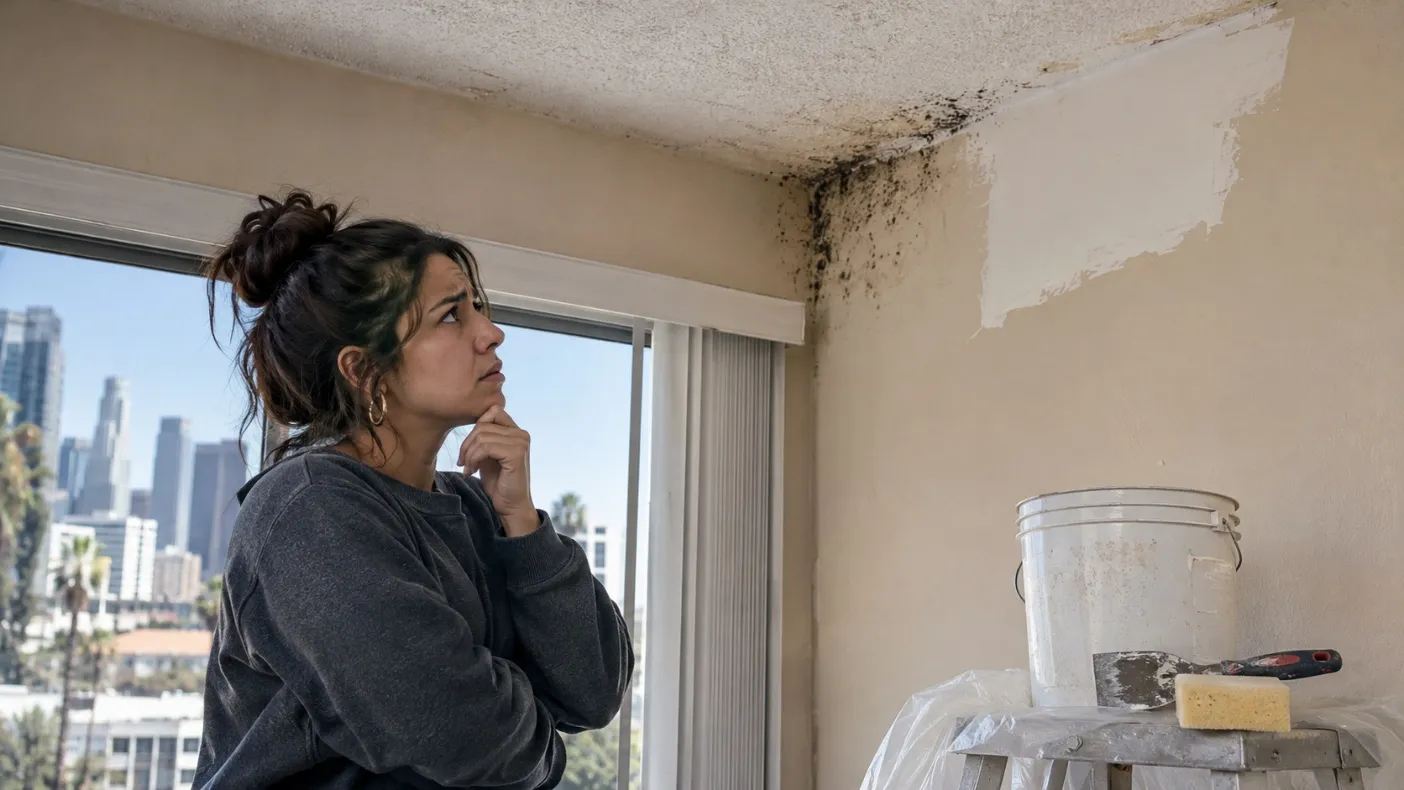
A repaired ceiling can look spotless for weeks before the same dark patches appear again. For Los Angeles tenants, repeated mold growth raises an important question: did the repair eliminate the moisture source or merely cover the visible damage? A tenant mold lawyer may help assess disputes when a landlord has received notice, yet serious conditions remain unresolved. Before disagreements escalate, renters can examine repair records, track recurring dampness, and ask specific questions about the work performed rather than relying on assurances that everything was fixed.
Look Beyond The Fresh Paint
New paint and patched drywall can improve an apartment’s appearance without resolving a leak inside the wall. Mold may return when wet materials remain in place, condensation continues, or a plumbing defect is overlooked. Tenants should note where new staining develops and whether it follows rain, shower use, or operation of air-conditioning equipment. This pattern may help qualified professionals locate the source. A photograph of the repaired surface immediately after work, followed by dated photographs later, can show how conditions changed over time.
Request Records Of Completed Repairs
When a problem reappears, ask the property manager what work was performed. Useful details include the location of the leak, materials removed, drying methods used, and whether a contractor confirmed that moisture intrusion had stopped. Tenants may request available work orders or written explanations, although access to particular records is not always guaranteed. Keep copies of all responses and avoid treating a brief maintenance note as proof of successful remediation. Specific questions encourage a clearer discussion about whether follow-up investigation is needed.
Distinguish Mold Growth From Health Diagnoses
A musty smell or dark surface growth may indicate moisture problems, but color does not reliably identify a particular mold species. Likewise, symptoms such as coughing or irritation do not establish that an apartment caused a medical condition. California public health guidance emphasizes correcting moisture sources and addressing visible mold rather than relying solely on routine species testing. Renters who develop symptoms should speak with a qualified clinician. Building assessments and medical evaluations answer different questions, and documenting both accurately avoids unsupported conclusions about exposure and responsibility.
Understand Habitability And Notice Requirements
California landlords generally must maintain residential premises in habitable condition, and substantial dampness or mold can raise concerns under applicable standards. Whether a specific situation violates those requirements depends on severity, cause, and other facts. A los angeles habitability lawyer can help review the history of notices, repair attempts, and continuing conditions. Tenants should report recurring problems promptly in writing and preserve delivery records. Clear notice creates an important timeline, although it does not automatically establish liability or guarantee compensation for every reported defect.
Arrange A Focused Follow-Up Inspection
A second inspection should focus on why the earlier work failed rather than simply confirming that discoloration has returned. Depending on circumstances, a qualified professional may inspect plumbing connections, roof penetrations, ventilation, moisture levels, or concealed building materials. Ask for findings that explain the suspected source and recommended corrective action in understandable terms. Tenants should not open walls or disturb potentially contaminated materials themselves. Where significant problems persist, the appropriate local housing enforcement agency may also be able to investigate code-related concerns and identify necessary corrective measures.
Keep A Timeline Of Actual Disruption
Repeated repairs can affect daily life in ways that are easy to forget months later. Record when rooms became unusable, whether furniture had to be moved, and which appointments or repair visits interrupted normal routines. Save receipts for reasonable expenses linked to the condition, but distinguish verified costs from estimates. If temporary accommodation is discussed, request the proposed terms in writing. An organized timeline can help advisers evaluate the circumstances while preventing exaggerated claims about losses, health effects, or the duration of disruption.
Conclusion
Recurring mold deserves more than another coat of paint. The central question is whether the moisture source has been identified and corrected, with appropriate attention to affected materials and occupants’ concerns. Renters who keep precise records and ask focused questions are better equipped to assess the response they receive. For situations involving prolonged unresolved conditions, mehdlaw.com outlines legal services connected to California mold and habitability disputes. Before accepting a repair as complete, request written clarification about the corrective work and how future problems will be handled.