
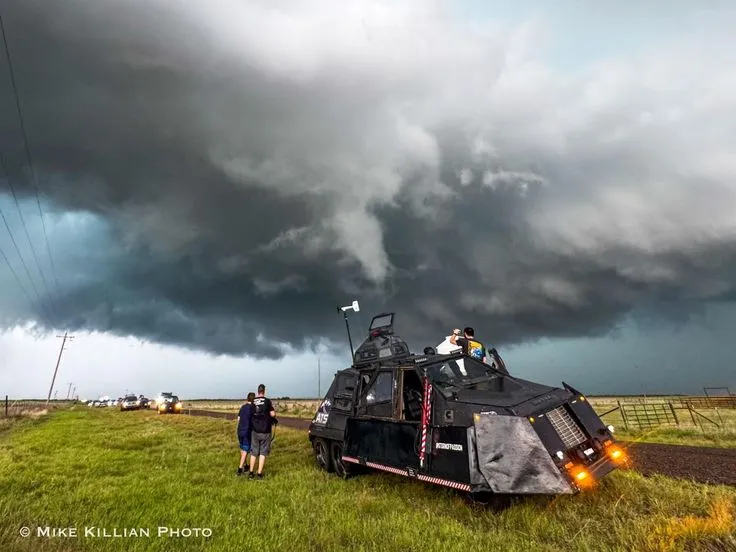
Travel can give writers something that research alone cannot: direct sensory experience. The scale of an open horizon, the atmosphere of a rural town, the sound of thunder, and the changing appearance of clouds can all become raw material for future creative work. For writers considering stormchasing 2028 Wichita Kansas, a weather-focused journey can provide inspiration that extends well beyond writing specifically about storms.
The value lies in noticing details. Instead of searching constantly for a dramatic event, writers can observe places, sounds, movement, conversations, and changing moods throughout the day. Those small impressions often become the most useful material later.
Collect Sensory Details Instead of Full Stories
Trying to write polished passages during a travel day can become distracting. A simpler approach is to collect fragments. A writer might note the appearance of an approaching town, the sound inside the vehicle during a quiet drive, the texture of clouds, or the way evening light changes an agricultural landscape. Short observations preserve details without demanding much time. Later, those fragments can be developed into essays, fiction, poetry, travel writing, or personal reflections.
Notice How a Landscape Creates Mood
Setting influences the emotional character of writing, and the Great Plains provide a distinctive environment to study. Long roads can suggest distance or anticipation. An enormous horizon can create a feeling of openness, while changing clouds can alter the mood of the same landscape within minutes.
Writers can experiment with describing one location at different times. The physical place may remain largely unchanged, yet light and weather can make it feel completely different.
Listen for More Than Thunder
People researching tornado chasing tours 2027 may expect the strongest sensory memories to come from dramatic weather. Quieter sounds can be equally useful to a writer.
Consider recording impressions of:
-
Wind moving through vegetation
-
Rain against the vehicle
-
Distant thunder
-
Road noise during long drives
-
Sounds during a small-town stop
-
Sudden quiet between weather changes
Writing down how these sounds affect the atmosphere of a place can produce more vivid memories than simply noting that a storm occurred.
Use Small Towns as Setting Inspiration
Travel through the Plains can introduce writers to communities they would never encounter through a conventional tourist itinerary. A main street, water tower, grain elevator, roadside business, or public building may suggest a setting without needing to become a literal location in a future story. Observation should remain respectful. Writers can focus on architecture, landscape, atmosphere, and their own impressions rather than making assumptions about residents based on a brief visit.
Describe Movement, Not Just Appearance
Weather is particularly useful for writers because it rarely remains visually static. Clouds build, light moves across fields, precipitation appears along the horizon, and the character of the sky changes. Instead of writing, “the clouds were dark,” a traveler can note what changed over several minutes.
This practice encourages more precise descriptive writing. It shifts attention from labeling a scene toward observing how that scene develops.
Keep a Pocket-Sized Idea Log
A full journal can feel like work after a long travel day. An idea log requires much less effort. Each entry could contain only three things: one image, one sound, and one sentence describing the day’s mood. After several days, these brief notes create a collection of distinct impressions. They can later serve as writing prompts without requiring the traveler to reconstruct every detail from memory.
Avoid Writing Everything Through the Camera
Photographs are useful references, but they can encourage writers to concentrate primarily on appearance. Occasionally leaving the camera alone allows attention to shift toward temperature, sound, movement, scale, and emotional response. These details are difficult for a photograph to preserve.
Combining written observations with selected images creates a richer reference collection than relying on either medium alone.
Revisit the Notes After Returning Home
Travel observations often become more interesting after some time has passed. Distance allows writers to recognize which moments remained memorable and which details carry broader meaning.
A brief note about an evening highway, for example, might eventually inspire an opening scene. A description of changing clouds could become part of an essay about uncertainty or travel. The journey does not dictate what must be written; it simply provides fresh material.
Conclusion
A storm-focused journey can offer creative writers far more than dramatic weather to describe. Landscapes, rural settings, changing light, sound, movement, and small observations provide material that can later support many forms of writing. Keeping brief sensory notes allows travelers to gather inspiration without missing the experience itself. With Storm Chasing Adventure Tours, writers can encounter the Great Plains as a constantly changing creative environment, returning home with firsthand impressions that photographs and secondhand research alone could never fully reproduce.
