

Introduction
Commercial laundry does not run on machines alone. It runs on planning, logistics, service, and people who understand how large-scale laundry actually works. That is where a distributor comes in. Many business owners hear the term but are not fully sure what it covers. Is it just selling machines? Is it repairs? Is it parts? The answer is yes. It is all that and more.
A commercial laundry distributor supports laundromats, hotels, hospitals, and industrial facilities in ways that go far beyond equipment sales. They help businesses choose, install, maintain, and operate professional laundry systems that are built to handle serious workloads. They work quietly in the background, yet their impact shows up in every smooth cycle.
7 Things Commercial Laundry Distributors Do
1. They evaluate business needs before selling anything
A good distributor does not start with a product. They start with questions. What type of laundry is being processed? How often? How fast? And how much space is available?
Then they translate those answers into practical recommendations. Sometimes that means suggesting fewer machines. Sometimes it means recommending higher capacity instead of more units. And sometimes it means saying no to what the customer first wanted. This step prevents mismatched equipment that causes constant frustration later.
2. They provide access to professional-grade equipment
They supply machines built for nonstop use. These are not upgraded household models. They are designed for durability, consistency, and repairability.
But the real value is not just access.
It is choice.
Distributors usually carry multiple brands and configurations. That gives businesses flexibility instead of locking them into a single option. And flexibility matters when budgets, space, and utility limits are all different.
3. They manage delivery and installation properly
Moving and installing commercial laundry equipment is a technical process.
- Floors must support the weight.
- Connections must be precise.
- Venting must be correct.
Distributors coordinate all of this. And they do not treat installation as a quick task. They test machines. They check performance. Then they confirm everything works as expected. This stage often determines how well the equipment performs for years to come.
4. They provide guidance to operators on how to use the machines correctly
Training is often overlooked but it changes everything.
Distributors explain controls, load limits, and basic maintenance steps in a way staff can actually understand. And they usually repeat the important parts. Because mistakes are expensive in commercial laundry.
Some training points include:
- Proper cycle selection
- Safe loading practices
- Daily cleaning routines
And these small habits add years to machine life.
5. They supply replacement parts and technical components
No machine lasts forever without repairs. Parts wear down. Sensors fail. Valves leak. That is normal.
These laundry distributors keep parts available or easy to source. And they understand which components fail most often. That knowledge reduces downtime. And less downtime means fewer operational losses. It also means businesses are not forced into rushed replacements.
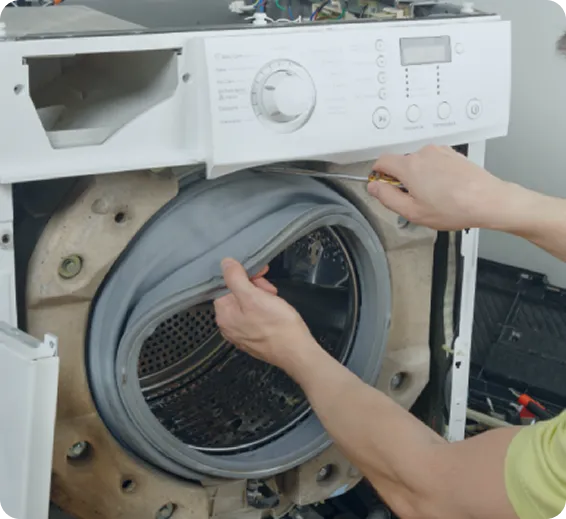
6. They provide maintenance and repair services
Service is where distributors truly prove their value. Regular inspections catch problems early. Emergency repairs restore operations quickly.
Maintenance often includes checking belts, motors, controls, and safety systems. But it also includes honest feedback. Then businesses can plan instead of react. That shift alone changes how stressful a laundry operation feels.
7. They support future upgrades and expansions
Businesses change. A laundromat grows. A hotel expands. A healthcare facility increases capacity.
Distributors help plan upgrades in stages. Not all at once. They may recommend replacing older machines first. Then upgrading controls later. And then adding capacity when volume demands it. This approach protects budgets while supporting growth.
8. They offer long-term operational insight
This part is subtle.
Distributors see many operations. They know what fails. What works. And what usually goes wrong. They share that experience with their clients. Sometimes through suggestions. Sometimes through warnings. And sometimes through simple reminders.
And this guidance helps businesses avoid mistakes they did not even know they were about to make.
Conclusion
A commercial laundry distributor is far more than an equipment supplier. They shape how a laundry operation starts, how it runs, and how it grows. Their influence touches machine selection, installation, training, maintenance, layout, and future planning. And while their work may not always be visible, its impact shows up in efficiency, reliability, and fewer emergencies. For businesses that depend on large-scale laundry, the distributor becomes part of the operation itself.
