
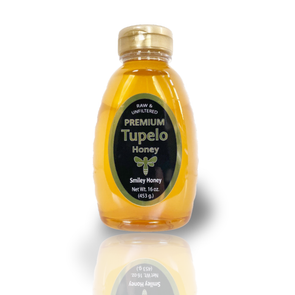
Living with diabetes means paying close attention to everything that goes into the body, especially sweeteners. Sugar is often the enemy, but giving up all sweet flavors feels like a huge sacrifice. Many diabetics search for alternatives that satisfy cravings without causing dangerous blood sugar spikes. Tupelo honey has gained attention as a potentially better option for people managing diabetes. This rare honey variety comes from the tupelo gum trees of the southeastern United States and has a unique sugar composition that sets it apart. Understanding how this special honey affects blood sugar helps diabetics make informed decisions about including it in their diet.
Can Diabetics Safely Consume Tupelo Honey?
It may be a better choice than regular honey or table sugar for some diabetics due to its higher fructose content and lower glycemic index, but it still contains natural sugars and should only be consumed in moderation after consulting with a healthcare provider.
- Not a Free Pass: No honey is completely safe for diabetics in unlimited quantities
- Unique Composition: Tupelo’s sugar ratio creates a different metabolic response
- Individual Variation: Each person’s body reacts differently to sweeteners
- Medical Guidance Required: Always consult a doctor before adding honey to a diabetic diet
The key takeaway is that tupelo offers potential advantages over other sweeteners, but careful consumption and monitoring remain essential for anyone managing diabetes.
Understanding Tupelo Honey’s Unique Composition
What makes tupelo different from regular honey comes down to its sugar makeup. All honey contains glucose and fructose, but the ratios vary dramatically between varieties.
The Sugar Ratio Difference
| Honey Type | Fructose Content | Glucose Content | Glycemic Index |
| Tupelo Honey | ~44% | ~30% | Lower (around 55) |
| Regular Honey | ~38% | ~31% | Higher (around 58-65) |
| Clover Honey | ~35% | ~34% | Higher (around 69) |
| Table Sugar | 50% | 50% | High (65) |
It contains significantly more fructose than glucose. This ratio matters because the body processes these sugars differently. Glucose enters the bloodstream quickly, causing rapid blood sugar spikes. Fructose takes a slower path through the liver, creating a more gradual energy release.
Why Fructose Content Matters
The higher fructose content in tupelo offers potential advantages:
- Slower Absorption: Fructose does not spike blood sugar as rapidly as glucose
- Lower Glycemic Impact: Creates more gradual energy release
- Reduced Insulin Demand: May require less immediate insulin response
- Sustained Energy: Avoids the crash associated with high-glucose sweeteners
The Glycemic Index Factor
The glycemic index measures how quickly foods raise blood sugar levels. Lower numbers indicate slower, more gradual increases that are generally easier for diabetics to manage.
How Tupelo Compares
Tupelo scores lower on the glycemic index than most other honey varieties. This lower score results directly from its fructose-dominant sugar composition.
- Regular Honey: Scores between 58-65 on the glycemic index
- Tupelo Honey: Falls closer to 55, making it relatively better
- Table Sugar: Hits around 65, causing rapid blood sugar spikes
- Clover Honey: Reaches approximately 69, among the highest for honey
Context Matters
Glycemic index tells only part of the story. The amount consumed affects the blood sugar impact more than the glycemic index alone. A small serving of higher-glycemic food may affect blood sugar less than a large serving of lower-glycemic food.
Research on Honey and Diabetes
Scientific studies have examined how honey affects diabetic patients, with some interesting findings worth considering.
What Studies Show
Research comparing honey to other sweeteners in diabetic subjects has produced encouraging results:
- Smaller Blood Sugar Spikes: Honey caused lower peak glucose levels than table sugar
- Better Lipid Profiles: Some studies showed improved cholesterol markers
- Antioxidant Benefits: Honey’s natural compounds provide additional health support
- Reduced Inflammation: Anti-inflammatory properties may benefit overall health
These findings apply to honey generally. Research specifically on tupelo remains limited, though its superior sugar ratio suggests potential additional benefits.
Important Limitations
No study suggests diabetics should consume honey freely. The research indicates honey may be preferable to refined sugar when sweeteners are used, but not that sweeteners should be added liberally to diabetic diets.
Practical Guidelines for Diabetics
Anyone with diabetes considering tupelo should approach it thoughtfully and carefully. Smart consumption practices help minimize risks while allowing occasional enjoyment.
Start With Medical Advice
Always consult a doctor or registered dietitian before adding any new food to a diabetic diet. Individual responses vary significantly based on:
- Diabetes Types: Type 1 and Type 2 respond differently
- Current Control: Well-managed diabetes handles variations better
- Medications: Some drugs interact with dietary changes
- Overall Diet: Total carbohydrate intake matters most
Portion Control Strategies
If approved by a healthcare provider, these approaches help manage honey consumption:
- Measure Carefully: Use measuring spoons rather than pouring freely
- Start Small: Begin with half a teaspoon to gauge personal response
- Monitor Response: Check blood sugar before and after consumption
- Track Patterns: Note how different amounts affect individual readings
Comparing Tupelo to Other Sweetener Options
Diabetics have numerous sweetener choices available. Understanding how honey compares helps inform decisions.
Natural Sweetener Comparison
| Sweetener | Glycemic Index | Calories per Tbsp | Key Consideration |
| Tupelo Honey | ~55 | 64 | Lower GI, natural antioxidants |
| Regular Honey | 58-65 | 64 | Higher glucose content |
| Maple Syrup | 54 | 52 | Similar GI, different nutrients |
| Agave Nectar | 15-30 | 60 | Very high fructose, controversial |
| Table Sugar | 65 | 48 | Rapid blood sugar spike |
Artificial Sweetener Considerations
Zero-calorie artificial sweeteners do not raise blood sugar directly, making them seem ideal for diabetics. However, concerns exist about:
- Gut Microbiome Effects: Some sweeteners may disrupt beneficial bacteria
- Taste Preference Changes: May increase cravings for sweet foods
- Long-term Safety Questions: Ongoing research examines potential issues
- Metabolic Responses: Some studies suggest indirect blood sugar effects
Tupelo offers a natural alternative with nutritional benefits absent in artificial options.
Benefits Beyond Blood Sugar
Choosing the best tupelo honey brand provides advantages extending beyond glycemic considerations. Pure tupelo contains beneficial compounds supporting overall health.
Antioxidant Content
Raw honey contains antioxidants that help fight cellular damage and support immune function. These compounds may offer particular value for diabetics who face increased oxidative stress.
Anti-Inflammatory Properties
Chronic inflammation contributes to diabetes complications. Honey’s natural anti-inflammatory compounds may help reduce this risk when consumed as part of an overall healthy diet.
Antibacterial Benefits
Tupelo possesses natural antibacterial properties useful for wound healing and immune support. Diabetics often experience slower healing, making this property potentially valuable.
Quality Matters for Diabetics
Not all honey delivers equal benefits. Purity and quality significantly impact how honey affects the body.
Why Authentic Tupelo Matters
Genuine honey has the specific sugar ratio that creates its lower glycemic impact. Adulterated or mislabeled products may contain:
- Added Sugars: Corn syrup or other sweeteners change the composition
- Blended Honeys: Mixing with high-glucose varieties raises glycemic impact
- Processed Products: Filtering and heating reduce beneficial compounds
Finding Quality Products
Searching for the best tupelo honey brand requires attention to sourcing and authenticity. Look for products from reputable suppliers who can verify their honey comes from genuine tupelo sources in Georgia or Florida.
Signs of authentic honey include:
- Resistance to Crystallization: Real tupelo stays liquid indefinitely
- Specific Origin Information: Legitimate products identify harvest regions
- Third-Party Testing: Quality brands verify purity through lab analysis
- Transparent Sourcing: Reputable sellers share producer information
Incorporating Tupelo Honey Wisely
Diabetics who receive medical approval to include honey can use it strategically for maximum enjoyment with minimum impact.
Best Uses for Diabetics
- Tea Sweetening: Small amounts dissolve well and provide subtle sweetness
- Yogurt Topping: Paired with protein and fat for slower absorption
- Oatmeal Addition: Fiber-rich foods help moderate blood sugar response
- Salad Dressings: Tiny amounts add flavor without a significant sugar load
Timing Considerations
When honey is consumed can affect blood sugar levels. Pairing honey with protein, fat, and fiber slows absorption. Eating honey on an empty stomach produces faster blood sugar rises than consuming it with balanced meals.
Foods to Pair With Honey
Combining tupelo with these foods helps moderate glycemic response:
- Nuts: Healthy fats slow sugar absorption
- Greek Yogurt: Protein balances the carbohydrate load
- Whole Grains: Fiber creates a gradual energy release
- Cheese: Fat and protein combination moderates impact
Warning Signs to Watch
Diabetics experimenting with tupelo should monitor carefully for concerning responses.
When to Stop or Reduce
- Significant Blood Sugar Spikes: Readings much higher than expected
- Difficulty Returning to Baseline: Prolonged elevated glucose levels
- Increased Cravings: Wanting more sweet foods after consuming honey
- Negative Symptoms: Any unusual feelings following consumption
Any concerning patterns warrant discussion with healthcare providers and possible elimination of honey from the diet.
Takeaway
Tupelo honey may offer advantages over regular honey and table sugar for diabetics due to its higher fructose content and lower glycemic index. However, it remains a sugar-containing food requiring careful portion control and medical guidance. Quality matters significantly, so choosing authentic honey from reputable sources ensures the expected benefits. Diabetics should always consult healthcare providers before adding any sweetener to their diet.
If you’re in search of good-quality honey, Smiley Honey provides premium, authentic tupelo honey sourced directly from trusted beekeepers in the southeastern United States. The honey undergoes quality verification to ensure customers receive a genuine, pure product with all the natural benefits intact. With a dedication to authenticity and customer wellness, Smiley Honey has become a trusted source for those seeking the finest natural honey available.
FAQs
- Is Tupelo honey good for diabetics?
It is not “good” for diabetics, but a small amount may be tolerated as an occasional sweetener; it still raises blood sugar and requires medical guidance.
- Does Tupelo honey raise blood sugar less than regular sugar?
It may cause a slower, slightly gentler blood sugar rise than refined sugar due to its sugar profile, but the overall effect is still significant for people with diabetes.
- What is the glycemic index of Tupelo honey?
Reported glycemic index values for Tupelo vary widely, from very low promotional claims to around 74, so diabetics should assume it behaves like other moderate-to-high glycemic sweeteners.
- Can type 2 diabetics eat Tupelo honey every day?
Eating honey daily is not recommended; diabetics should treat it as an occasional treat, carefully portioned within their carb allowance and approved by their healthcare professional or dietitian.